The Mountain and the Island
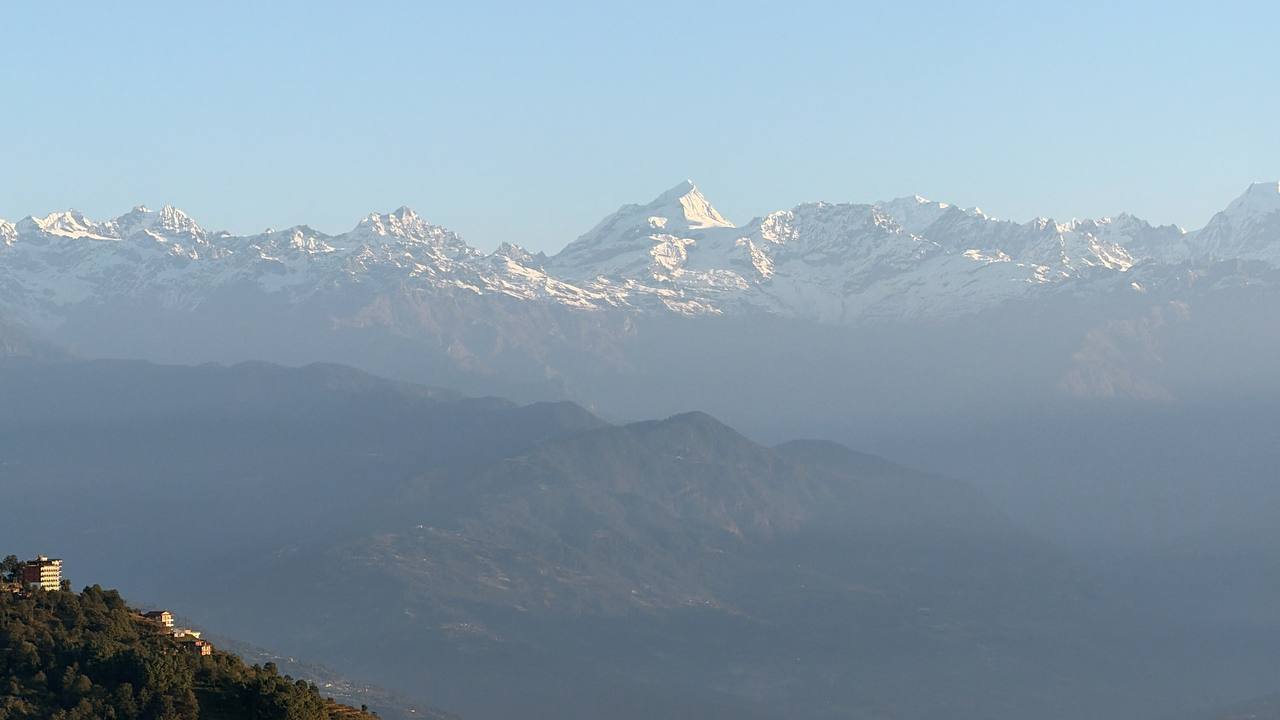
We have a remote engineering team in Nepal, and I visit almost every year. After a few trips Kathmandu is no longer a first impression. It is a place I know a little, and am fond of.
What I kept wondering, trip after trip, was what makes people there so kind and so humble. I always suspected the Buddhist influence. That made me curious about Sri Lanka, the Buddhist nation at the southern end of the subcontinent. If the teaching is what shapes people, the two should feel alike.
This year I went to find out.
The contrast is immediate
Kathmandu is dust, motorbikes, overhead wires in knots, and brick buildings with rebar still poking out of the top floor in case the family adds another storey.
Sri Lanka feels like a different tier of country. Lanes that people stay in. Verges that someone trims. An expressway down the south coast that would not look out of place in Australia.
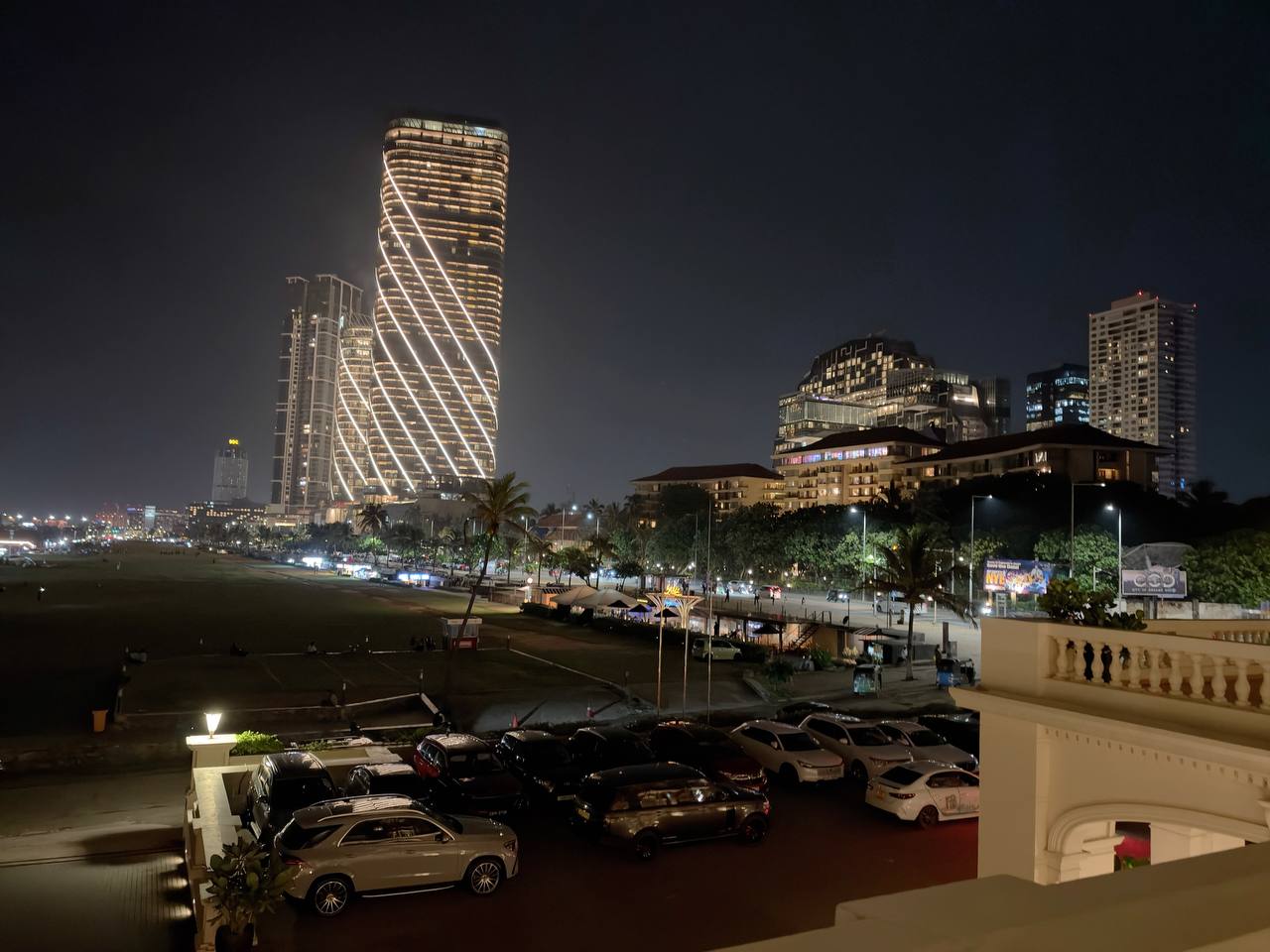
My first reaction was the obvious one: Sri Lanka feels put together in a way Nepal does not. On paper that is odd. Sri Lanka defaulted on its debt in 2022, chased a president out of his own residence, and less than a year ago took its worst natural disaster since the tsunami. Neither country has had a quiet decade.
And yet the people felt exactly as I had hoped. The same.
This post is my attempt to work out how two countries can feel so different while their people feel so alike.
Same roots, opposite ends
My own roots are in the Deccan, roughly halfway between the two, so both countries feel like relatives. Familiar gods. The same rice-and-lentils logic to every meal. Both carry the Indic thread, but neither is a smaller India. Each grew up in its own right.
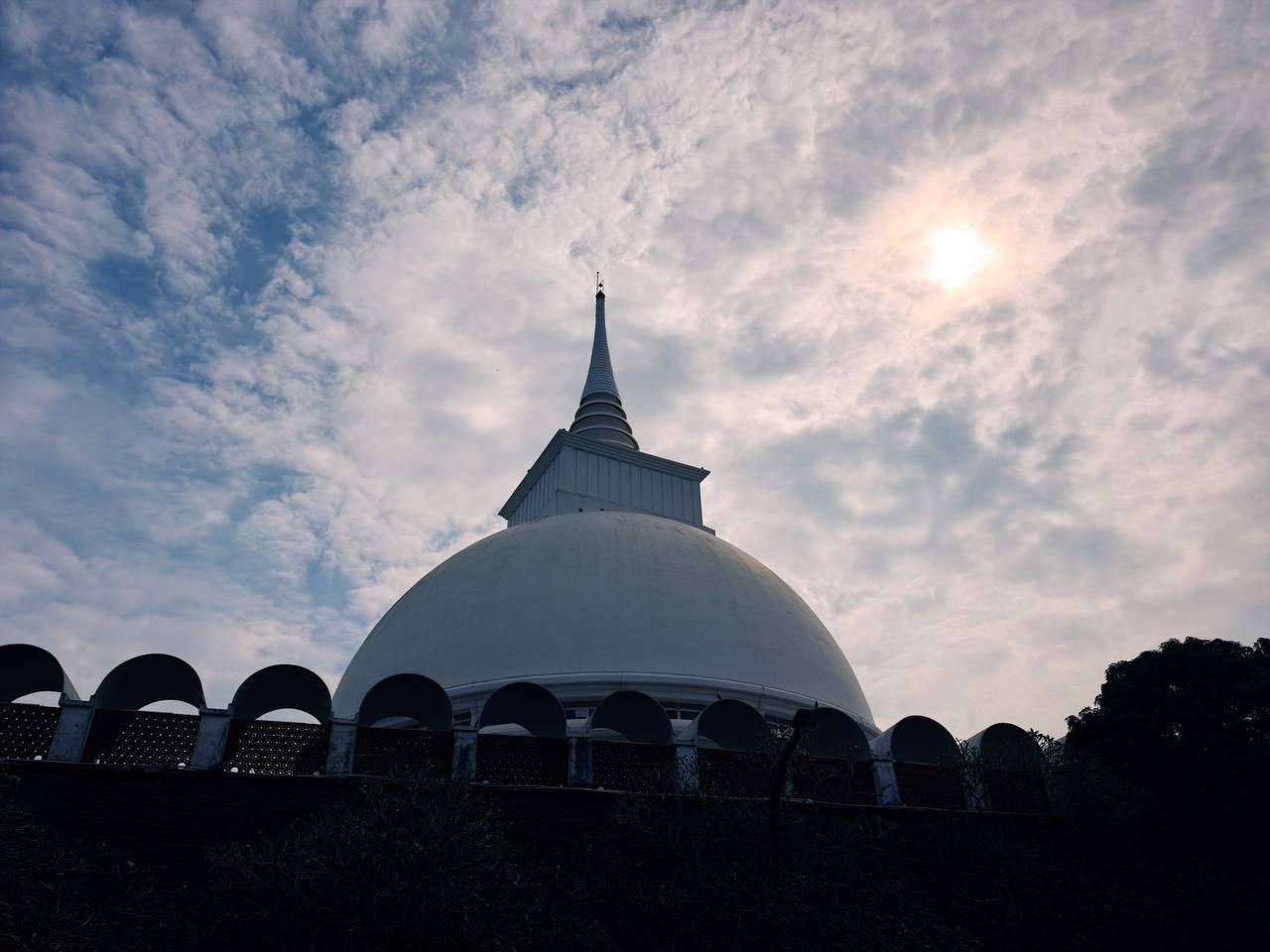
The obvious link is the Buddha. He was born in what is now Nepal, but the teaching reached Sri Lanka in the third century BCE and never left. Nepal today is mostly Hindu. Sri Lanka is about 70% Buddhist, and you cannot miss it: the five-colour flag over every stupa, the dharma wheel on every gate.
In Kathmandu, Buddhism is quieter and tangled up with Hinduism. The same family will happily pray at both shrines.
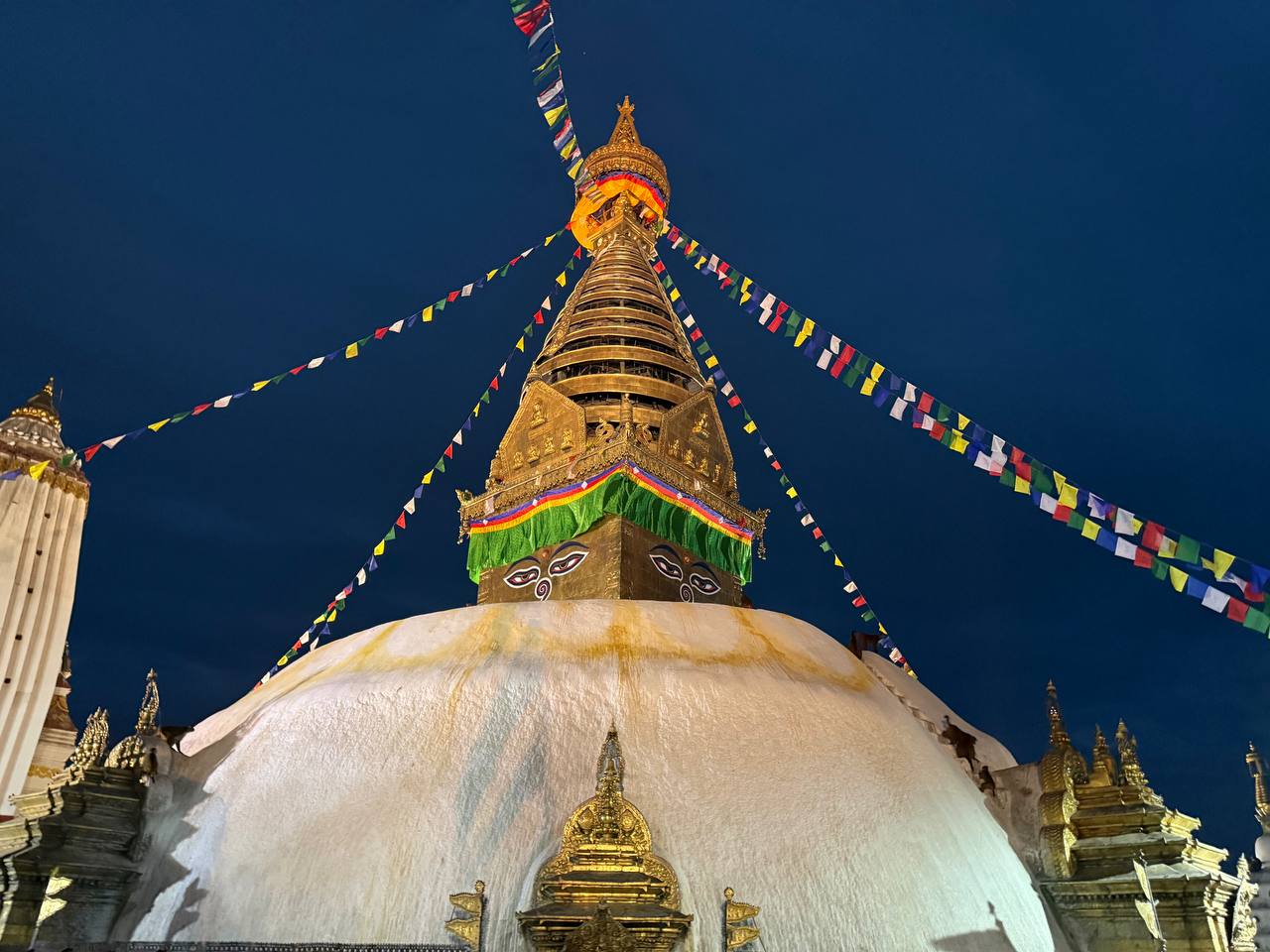
In Sri Lanka it feels like the organising idea of the place.
One detail I enjoyed as a language nerd. Sinhala belongs to the north Indian family, like Nepali and Hindi, yet it sits south of the entire Dravidian-speaking south. Two cousins, parked at opposite ends of the subcontinent.
Then there is tea. Nepalis love their chiya, milky and sweet, and nothing happens in Kathmandu until a cup has appeared. Sri Lanka is one of the biggest tea producers on the planet, and Ceylon tea is probably the island’s best-known export. One country runs on it. The other grows it for the world.
One shut the door, the other never could
The short version of the history: Nepal shut the door, and Sri Lanka never could.
Nepal was never colonised, and Nepalis are rightly proud of that. But its rulers also sealed it off from the world until the 1950s, with barely a school or a road to show for the century before.
Sri Lanka sits on one of the busiest sea lanes on earth, so everyone turned up. The Portuguese, then the Dutch, then the British, for about 450 years in all. That is not a case for empire. But the island came out of it with railways, ports, schools and the vote, a generation before most of Asia.
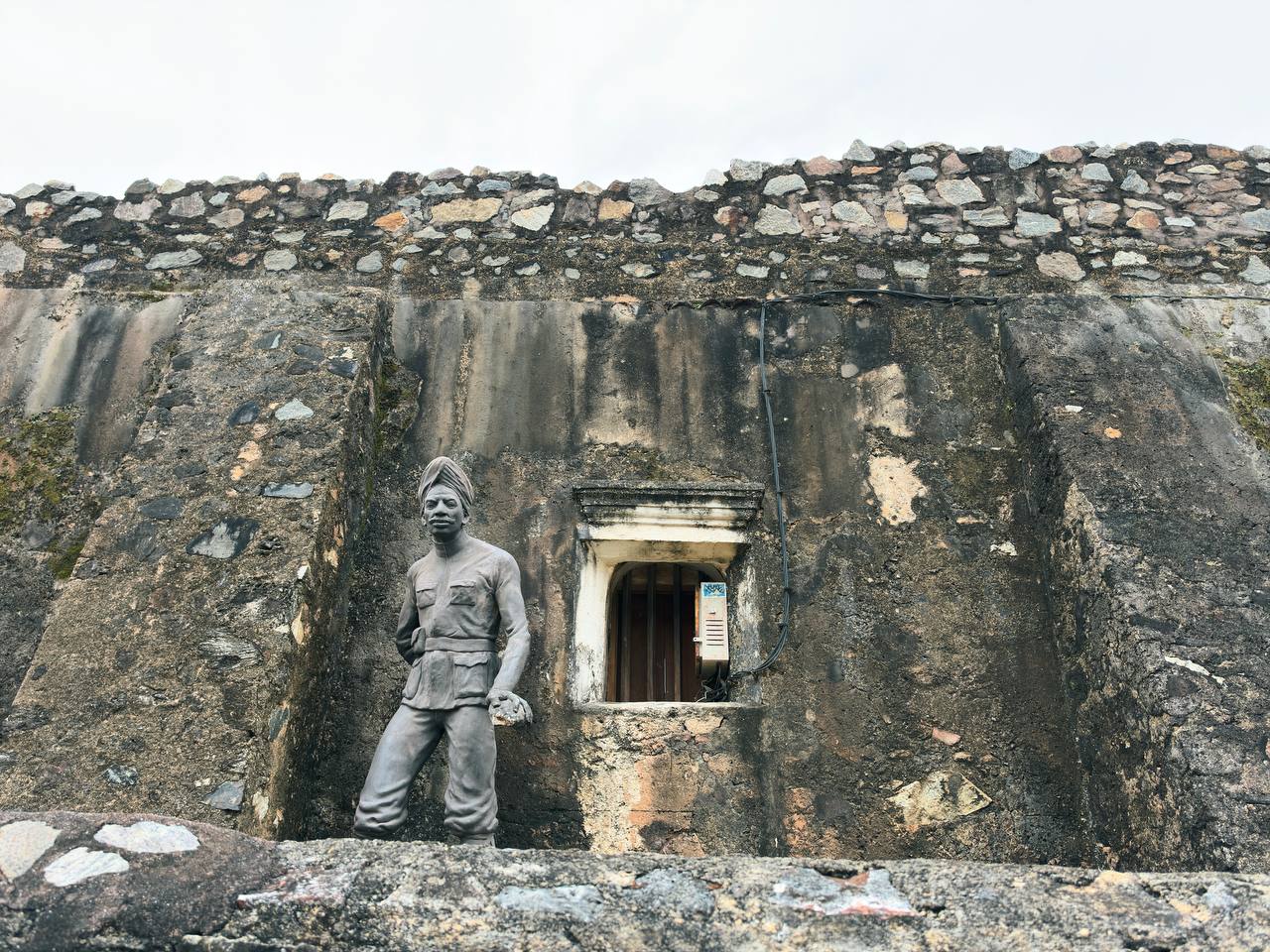
One kept its freedom and lost time. The other lost its freedom and got a head start. Neither got to choose.
Why one feels more put together
You notice it in small things. Signage that makes sense. Queues. Clinics and schools in small towns. Things mostly working the way they say they will.
The numbers agree. Sri Lanka ranks 89th on the UN’s human development index, the best in South Asia. Nepal is 145th. When nearly everyone has been able to read for three generations, it shows.
Terrain matters too, and it is not a small thing. Sri Lanka is about the size of Tasmania, mostly flat, and its best roads run along a coastal plain. Nepal is a strip of Himalaya and steep hills, where every highway is a running fight with landslides and railways barely exist. An expressway that is straightforward in the south of Sri Lanka would cost a fortune in Nepal, and then the monsoon would take a piece of it back. Some of the gap is geography, not governance.
Nepal has had a rougher run. A civil war, the 2015 earthquake, a new government most years. A lot of its young people leave to work abroad. I work with Nepali engineers, so I know the talent is there. What has been missing is a reason to stay.
I should be fair to both. I saw Sri Lanka’s best face, the capital and the south coast. And tidy is not the same as peaceful. This is a country that fought a civil war for 26 years.
Both just threw out their governments
The strange part is that Sri Lanka’s recent politics have been every bit as wild as Nepal’s.
In 2022 Sri Lanka ran out of money and fuel, and protesters ended up swimming in the president’s pool while he fled the country. In 2025 Nepal’s Gen Z did much the same after a social media ban. More than 70 people died, parliament burned and the prime minister was gone in two days.
Both then voted in outsiders by a landslide. A leftist president in Sri Lanka. In Nepal, a 36-year-old engineer and former rapper as prime minister. Both are still being argued over, and I am a visitor, not a voter.
The difference is what was left standing. When Sri Lanka’s president fled, the machinery kept going. Parliament picked a successor, elections ran on time, power changed hands quietly. In Nepal the parliament building itself went up in flames.
So “put together” does not mean calm. It means the country has something solid for the chaos to land on.
The people are the same
This is where the comparison falls apart, because on the thing that matters most the two countries are identical.
In Nepal it is the namaste with both hands, and dal bhat refilled until you cover the plate. In Sri Lanka it is “ayubowan”, may you live long, said like they mean it. Where I come from we say the guest is god. Both countries still seem to believe it.
This is the hunch I arrived with, and I am surer of it now. The Buddha’s teaching works on people below the surface. Giving, compassion, not doing harm. After two thousand years these stop being religion and become manners.
Nepal is mostly Hindu on paper, but that undersells it. Nepalis are proud that the Buddha is theirs. My colleagues in Kathmandu are mostly Hindu, and they go to Boudha every day and love it. Nobody there sees a contradiction. The teaching belongs to everyone, whatever the census says, and I think that is why the two peoples feel so alike.
A cynic would say both need tourists, so of course people are nice. But you can feel the difference between service and hospitality. One is a transaction. The other is someone treating your comfort as a matter of their own honour.
Kindness is the one thing that does not follow the rankings.
What stays with me
Sri Lanka is ahead mostly because it started earlier. Nepal is catching up from a much later start, and every year I visit I can see it moving.
Both have had their governments toppled from the street in the last few years. What differed was what was still standing the next morning.
None of that reaches the people. The mountain and the island have different histories and different odds. The welcome is the same, and it is the part I would go back for.
Sources: UNDP Human Development Report 2025, HDI table · Kathmandu Post, “Nepal ranks 145th on the HDI” · The India Forum, “Gen Z and Nepal’s struggle for change” · Annapurna Express, “One month of the Shah government”